

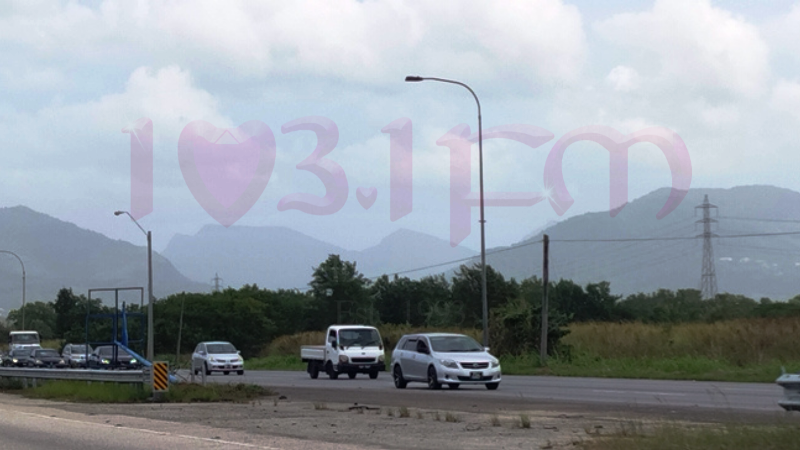
The recent increase in Saharan dust concentrations has once again triggered visible haze layers, worsened air quality, and increased respiratory conditions.
Speaking with 103.1FM News, a Met Service official says while the dust concentration usually peaks in June, it is not unusual to see influxes at other times of the year.
The influx can remain at its peak for one to three days, but despite decreasing, there is the possibility that it will remain fluctuating.
According to the Met Service, each year, large clouds of Saharan dust travel from northern Africa, across the Atlantic, to the Caribbean, including Trinidad and Tobago, over 5–10 days.
The hot, dry air carried with the dust can also suppress tropical storm formation, reducing hurricane activity during peak dust seasons.